
What Is simplifydiggs com?
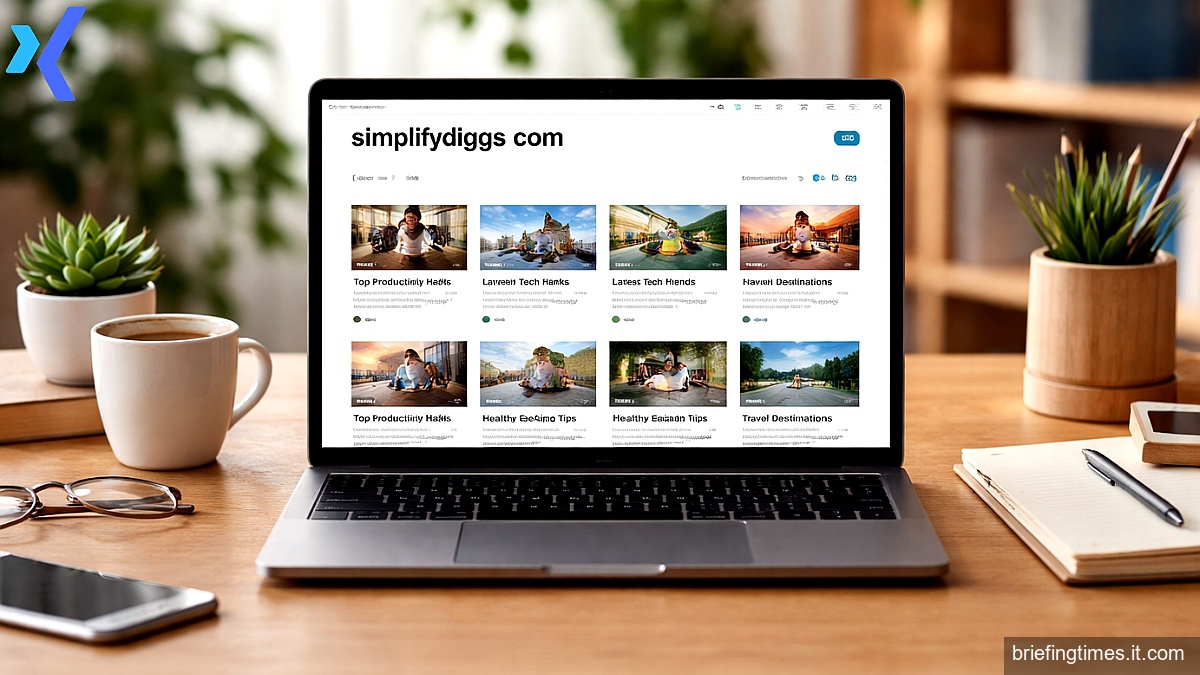
simplifydiggs com is positioned as a multi‑niche blog that promises easy, curated digital content for a broad audience. The site markets itself as a “simple guide” to exploring online resources without unnecessary complexity. Its homepage emphasizes semantic SEO practices, aiming to deliver articles that naturally incorporate related keywords.
Visitors encounter a clean layout with a focus on readability, featuring short paragraphs and clear headings. The platform claims to aggregate informational resources, making it a one‑stop hub for topics ranging from tech tips to lifestyle advice. Despite its polished appearance, several trust holes have been identified by independent reviewers.
In this review we will dissect the core elements of simplifydiggs com, from its publishing cadence to the transparency of its ownership. Understanding these factors helps readers decide whether the site is a reliable source of information.
Ownership, Authorship, and Transparency
One of the most glaring issues with simplifydiggs com is the lack of verifiable ownership information. The site does not provide an “About Us” page, nor does it list any contact details or a corporate address. This anonymity raises questions about accountability and editorial standards.
Research from CompaniesHistory.com notes that the author’s name remains unverified, adding another layer of uncertainty. Without a clear byline or author bio, readers cannot assess the expertise behind the content. This opacity is a common red flag for online platforms that monetize through affiliate links.
Furthermore, the site’s disclaimer reveals an undisclosed dealership promotion that is subtly embedded within articles. Such hidden affiliations can compromise editorial integrity, especially when readers are unaware of the commercial intent behind the recommendations.
Semantic SEO and Content Quality
simplifydiggs com proudly advertises its use of semantic SEO principles, a strategy that focuses on contextually relevant keywords rather than forced repetition. Articles are crafted to include related terms naturally, improving both user experience and search engine rankings.
For example, a recent post on digital marketing seamlessly integrates phrases like “online visibility,” “keyword research,” and “content strategy” without disrupting the flow. This approach aligns with Google’s E‑E‑A‑T guidelines, which prioritize expertise, experience, authority, and trustworthiness.
Despite the technical SEO strengths, the overall quality of the content varies. Some pieces offer actionable insights, while others feel generic and lack depth. The inconsistency suggests a mixed editorial process, possibly driven by the need to fill the site’s multi‑niche structure quickly.
Multi‑Niche Structure and Trust Concerns
The site’s multi‑niche model allows it to cover a wide array of topics, from health tips to software tutorials. While this breadth can attract diverse traffic, it also dilutes the site’s authority in any single niche. Readers may find the expertise level uneven across categories.
Trust holes identified include the missing contact page, the unverified author name, and the hidden dealership promotion. These gaps can erode confidence, especially for users seeking reliable, unbiased information. Transparency is a cornerstone of trust, and simplifydiggs com falls short in this regard.
- No clear ownership or corporate information.
- Absence of an editorial policy or fact‑checking statement.
- Monetization through sidebar placement sales and undisclosed promotions.
When evaluating any online resource, these factors should weigh heavily in the decision to rely on its content.
Monetization Tactics and Sidebar Placements
Monetization on simplifydiggs com primarily occurs through two channels: paid sidebar placements and affiliate promotions. The sidebar advertises “placement sales,” allowing other websites to purchase prominent space for their links or ads. This practice can generate revenue but may also distract from the user experience.
In addition, the site embeds affiliate links within articles, often without clear disclosure. Readers may click on these links believing they are purely informational, unaware that the site earns commissions on resulting sales. Such practices are permissible when disclosed, but the lack of transparency is concerning.
For a deeper look at how niche sites monetize, you can explore the strategies used by similar platforms here. Understanding these tactics helps you gauge the credibility and potential bias of the content you consume.
Publishing Frequency and Content Updates
According to the latest observations, simplifydiggs com updates its blog on a near‑daily basis, though the exact schedule fluctuates. Some weeks see multiple new posts across different niches, while other periods experience a slowdown. This irregular cadence can affect both SEO performance and reader expectations.
Frequent publishing is a double‑edged sword: it keeps the site fresh for search engines but may sacrifice depth and thorough research. The platform appears to prioritize volume to maintain its multi‑niche presence, which aligns with its semantic SEO approach of covering many keyword clusters.
Readers looking for timely information should verify the publication date of each article. Older posts may contain outdated data, especially in fast‑moving fields like technology and finance.
Can You Trust simplifydiggs com?
Assessing trustworthiness involves weighing the site’s SEO strengths against its transparency gaps. While simplifydiggs com employs modern semantic SEO techniques and offers a wide range of topics, the lack of verifiable authorship and undisclosed promotions undermine its credibility.
If you need a quick overview or a list of resources, the site can be a convenient starting point. However, for critical decisions—such as financial advice or health recommendations—cross‑checking with established, transparent sources is advisable.
In summary, simplifydiggs com serves as a functional, easy‑to‑navigate multi‑niche blog, but its trust holes demand caution. Use it as a supplemental resource rather than a primary authority, and always verify the information through reputable channels.
