

The Critical Importance of Regular Eye Exams and Professional Vision Care
Vision is arguably our most dominant sense, guiding us through daily tasks, professional obligations, and personal recreation. However, maintaining pristine eyesight requires far more than just updating lens prescriptions when text begins to blur; it demands a comprehensive, proactive approach to preventative healthcare. Regular visits to a qualified eye care professional are essential for monitoring the physiological state of your eyes, as visual changes can occur so gradually that they often go unnoticed until significant, irreversible impairment has occurred. When you decide it is time to prioritize your vision, finding the best optometrist near me is a critical step in establishing a relationship with a medical professional who will track these subtle shifts and safeguard your long-term ocular health.
During a comprehensive eye examination, practitioners evaluate the physical structures of your eyes to detect systemic health issues long before physical symptoms manifest. Conditions such as high blood pressure, diabetes, high cholesterol, and even autoimmune disorders are frequently first diagnosed during routine examinations of the retina and the delicate blood vessels in the back of the eye. Understanding the depth of training within the optometry profession highlights why these doctors are uniquely positioned to serve as frontline guardians of both your vision and systemic health, offering specialized care that goes far beyond simple sight correction tests.
Beyond detecting systemic medical conditions, the physical and cognitive benefits of sharp, uncompromised vision cannot be understated. In an era dominated by high-definition digital screens, computers, and smartphones, digital eye strain has become an endemic issue, causing persistent headaches, dry eyes, neck pain, and fatigue that degrade daily productivity. A detailed eye examination ensures that your visual system is working efficiently, reducing eye fatigue through precise prescriptions, anti-reflective coatings, or specialized computer lenses. Investing the time to identify a premier local clinic ensures you receive personalized advice tailored to your daily visual habits and lifestyle demands.
Decoding Your Eye Exam: What to Expect During a Comprehensive Visit
Understanding what happens during a standard clinical examination can demystify the process and alleviate any anxiety you might experience before your appointment. The assessment typically begins with a series of crucial pre-tests administered by an ophthalmic technician, starting with a classic Visual Acuity Test, which utilizes an eye chart to measure your ability to resolve details at various distances. Following this, an auto-refraction test is conducted, utilizing specialized infrared light technology to estimate how light focuses on your retina, which gives the clinician a highly accurate baseline prescription from which to start refining your vision correction.
Next, the diagnostic process shifts toward screening for silent diseases that can permanently threaten your vision, most notably glaucoma. This is often accomplished through non-contact tonometry, which measures intraocular pressure, or advanced digital retinal imaging that maps the optic nerve, macula, and blood vessels. If you are proactively seeking the best optometrist near me to perform these advanced diagnostic screens, you will want to choose a practice equipped with the latest diagnostic technology to ensure that subtle abnormalities within the deeper structures of the eye are identified long before they cause noticeable vision loss.
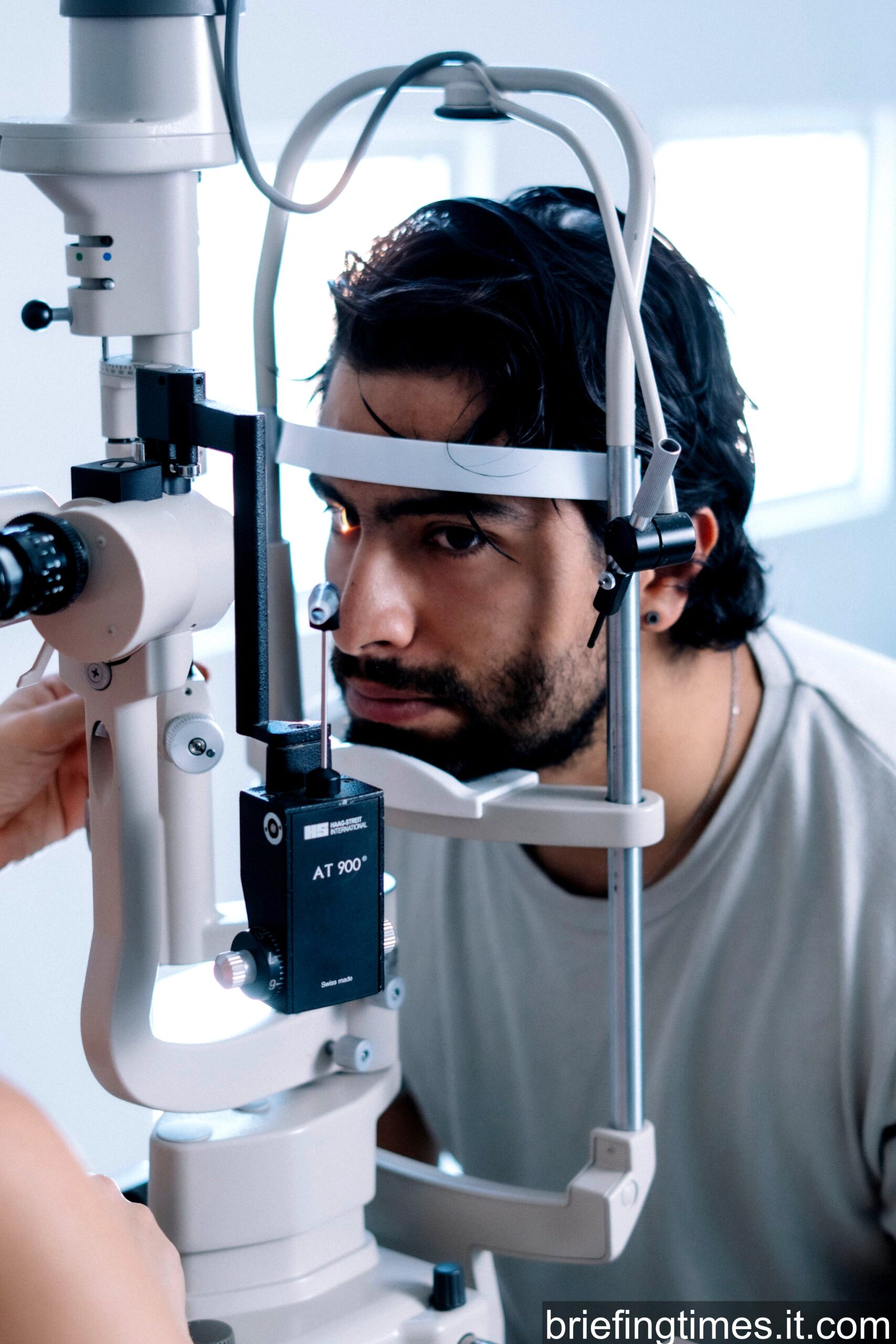
Once the preliminary diagnostics are complete, you will meet directly with the optometrist for the subjective refraction portion of the exam. Here, the doctor uses an instrument called a phoropter, asking you to compare different lens options to fine-tune your prescription for maximum clarity and comfort. The doctor also conducts a slit-lamp examination, shining a thin, intense beam of light into your eye to examine the cornea, lens, iris, and anterior structures under high magnification, providing a complete diagnostic picture before discussing treatment plans or prescribing corrective lenses.
Leveraging Digital Tools and Local Reviews to Locate Top Specialists
The digital age has transformed how we locate healthcare providers, making patient feedback and practice reputation more transparent than ever before. Platforms like Yelp are invaluable tools for prospective patients, offering real-world reviews and detailed testimonials regarding the customer service, wait times, and clinical expertise of nearby clinics. For instance, when looking at top-rated local practices, patients frequently highlight highly regarded operations such as Decatur Eye Care, Druid Hills Eye Care, or the exceptionally well-reviewed Ross Eyecare Group, utilizing community feedback to gauge the standard of care before booking a visit.
In addition to community review sites, specialized healthcare booking platforms like Zocdoc have revolutionized patient access to top-tier medical professionals. Zocdoc enables you to filter local practitioners by verified patient ratings, real-time appointment availability, and, crucially, whether they accept your specific insurance network. This eliminates the stressful guesswork of calling multiple offices, allowing you to instantly secure guaranteed appointment slots with providers who meet your exact clinical and financial criteria, making the entire scheduling process completely seamless.
By combining these modern platforms with targeted search strategies, finding a highly qualified doctor becomes a straightforward task rather than a logistical chore. Consistently utilizing targeted local search queries to uncover the best optometrist near me helps filter through hundreds of options to present the clinics with the most robust track records of success and customer satisfaction in your immediate geographic area. Taking advantage of these digital resources ensures that your selection is backed by verifiable data, real patient reviews, and verified credentials.
Optometrist vs. Ophthalmologist: Understanding the Differences in Eye Care Providers
To make an informed decision about your vision care, it is essential to understand the distinct roles played by different eye care professionals, primarily optometrists and ophthalmologists. Optometrists, who hold a Doctor of Optometry (OD) degree, are primary care practitioners specializing in vision testing, prescribing corrective lenses, diagnosing common ocular diseases, and managing chronic dry eye or minor infections. They serve as the primary point of contact for the vast majority of patients seeking routine care, emergency eye evaluations, or general lens refittings.
On the other hand, ophthalmologists are medical doctors (MDs or DOs) who have completed medical school followed by specialized residency training in medical and surgical eye care. They are qualified to perform complex surgeries, such as cataract extraction, LASIK, and retinal reattachments, and to treat severe ophthalmic pathologies that require invasive medical interventions. While optometrists handle primary vision needs, ophthalmologists specialize in advanced surgical cases and complex medical management of serious, progressive eye diseases.
Fortunately, modern eye care utilizes a highly collaborative co-management model where optometrists and ophthalmologists work closely together to optimize patient outcomes. For example, if an optometrist detects a complex case of advanced cataracts or a severe retinal tear during a routine exam, they will coordinate care and refer the patient to a specialized practice such as Georgia Ophthalmology Associates, PC. This collaborative system ensures you receive the most appropriate level of care, from initial diagnostic evaluations to specialized surgical interventions and post-operative follow-up visits.
Key Factors to Consider When Selecting Your New Eye Care Clinic
When evaluating prospective eye care clinics, understanding your financial options and insurance coverage is one of the most practical steps you can take. Many national providers, such as America’s Best, offer highly accessible exam options and affordable packages across multiple states, making them an excellent choice for individuals seeking convenient, budget-friendly vision solutions. Discovering the best optometrist near me that seamlessly integrates with your vision insurance network or offers transparent, upfront pricing packages can save you hundreds of dollars on routine exams, frame purchases, and specialized contact lens fittings.
Location and clinic hours are equally critical factors to consider, particularly if you have a demanding professional schedule or require specialized follow-up care. A conveniently located clinic makes it much easier to drop in for frame adjustments, contact lens prescription trials, or emergency visits if you experience sudden ocular pain or vision changes. Choosing a practice that offers evening or weekend hours ensures you do not have to disrupt your workweek to prioritize your health, making visual wellness a seamless part of your lifestyle.
Additionally, consider the unique clinical specialties and demographic focuses of the practices you are researching. Some offices specialize in pediatric optometry, featuring kid-friendly diagnostic tools, while others focus on geriatric care or specialized contact lens fittings for conditions like keratoconus. Matching your specific personal or family needs to the core competencies of a local practice guarantees that you receive highly specialized, targeted treatment rather than a generic, one-size-fits-all clinical experience.
Making the Most of Your Appointment and Embracing Better Local Navigation
To maximize the value of your scheduled eye appointment, adequate preparation is key to a smooth and productive clinical encounter. Be sure to bring your current eyeglasses, contact lens boxes with prescription details, a comprehensive list of your current medications, and any relevant family medical history. This detailed information allows the doctor to understand your visual baseline, identify potential medication side effects that impact your vision, and tailor their diagnostic approach to address any hereditary risk factors for conditions like glaucoma or macular degeneration.
The modern expectation of finding outstanding local services rapidly and efficiently spans across all industries, from healthcare to dining. Just as you might search for the best tamales tolimenses near me to track down a comforting, authentic Colombian dish in your local neighborhood, leveraging highly detailed online directories and verified user reviews for eye care ensures that you find top-rated local experts capable of delivering customized, personal care right in your community. Both experiences rely on utilizing reliable local search signals to connect with exceptional, specialized local providers who prioritize quality and client satisfaction above all else.
Ultimately, investing time and effort to secure the best optometrist near me is one of the most impactful health decisions you can make for your future. Pristine vision directly correlates with high cognitive function, personal safety, and overall lifestyle enjoyment, making routine preventative care an indispensable habit. By selecting a dedicated, technologically advanced local professional and maintaining your regular examination schedule, you protect your invaluable gift of sight and guarantee clear, comfortable vision for many years to come.
