

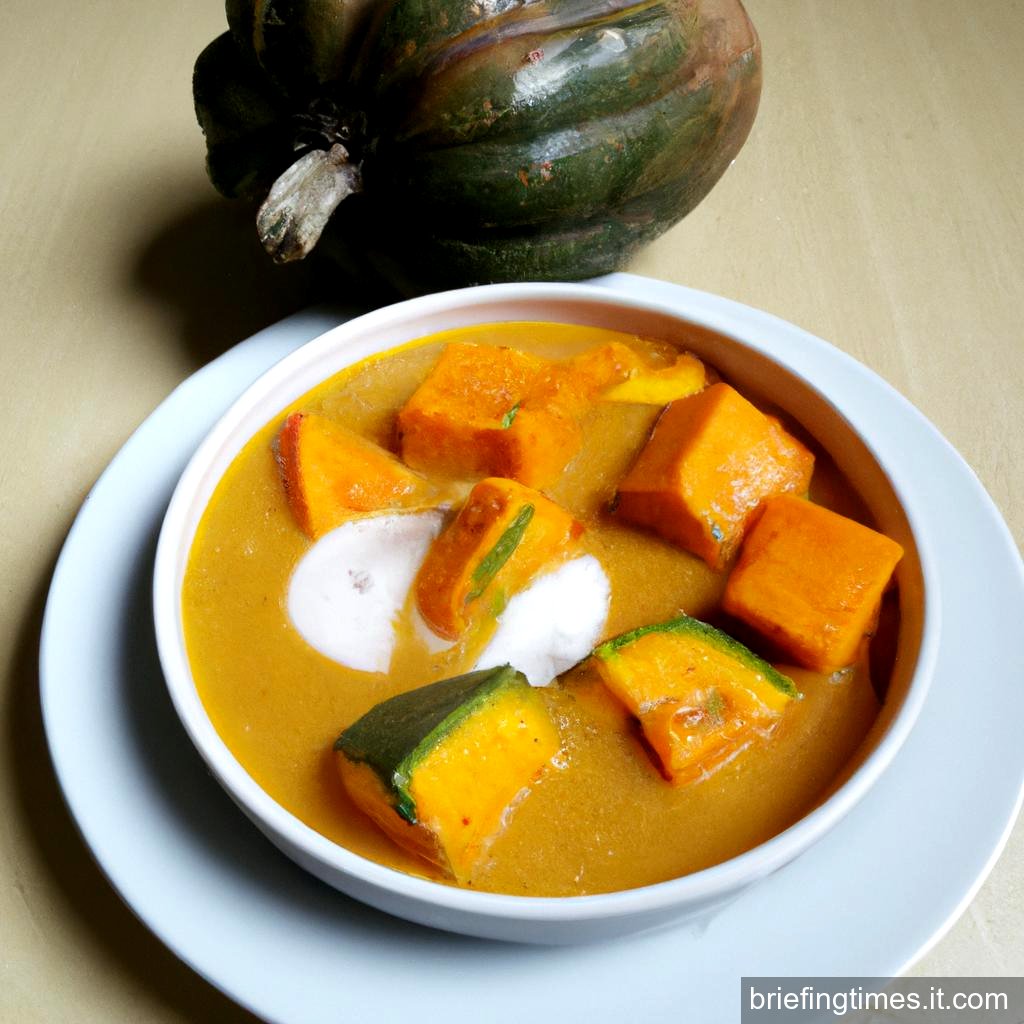
What is Locro de Zapallo? The Ultimate Andean Comfort Food
Locro de zapallo is a rich, creamy, and deeply satisfying squash stew that originates from the majestic Andean region of South America. This dish has deep pre-Columbian roots, having been prepared by indigenous communities long before the arrival of Spanish explorers. Over the centuries, the recipe evolved, blending native ingredients like squash, potatoes, and corn with European additions such as cheese and milk. The word “locro” comes from the Quechua word “rucru,” which refers to a thick, hearty stew. Today, it stands as a shining example of culinary fusion, offering a warm embrace in a bowl for anyone seeking comfort food with a rich cultural history.
The true magic of this dish lies in its sensory experience. A perfect bowl of locro features a vibrant golden hue, a velvety texture, and a beautiful balance of flavors. The natural sweetness of the squash is perfectly offset by the salty crumbles of fresh cheese, the earthiness of native potatoes, and the sweet crunch of fresh corn kernels. Aromatics like garlic, onions, and local chili pastes elevate the dish from a simple vegetable soup to a complex culinary masterpiece. For those curious about the roots of this dish, it is often grouped among other ancient traditional Andean stews that have sustained generations of families across Peru, Ecuador, and Argentina.
As global appreciation for South American cuisine continues to skyrocket, food enthusiasts everywhere are searching for the best locro de zapallo near me. Whether you are a lifelong fan of Peruvian food or a curious foodie looking to expand your palate, finding an authentic preparation of this dish is a rewarding endeavor. It is particularly popular during the cooler autumn and winter months when squashes are in peak season, making it the ultimate seasonal comfort food. In the following sections, we will explore the regional variations of this classic dish and provide you with actionable tips on finding the finest local spots to enjoy it.
Peruvian vs. Argentine Locro: Understanding the Delicious Differences
When you begin your quest to find the best locro de zapallo near me, it is crucial to understand that “locro” can mean very different things depending on the country of origin. In Peru, locro de zapallo is typically a vegetarian-friendly, creamy stew. The star of the dish is “zapallo macre” or “zapallo loche,” which are local varieties of squash known for their deep orange flesh and intense flavor. This squash is simmered slowly with potatoes, choclo (large-kernel Andean corn), green peas, and evaporated milk. It is finished with generous chunks of queso fresco (fresh cheese) and flavored with aji amarillo (yellow pepper paste) and huacatay (black mint), giving it a uniquely Peruvian herbaceous profile.
In contrast, the Argentine version of locro is a much heavier, meat-packed affair that is traditionally eaten to celebrate national holidays, such as May 25th (May Revolution). While it still features squash as a primary thickening agent to give the stew its characteristic yellow color, it also incorporates white corn (maíz blanco), white beans (porotos), and an array of meats. These meats often include beef, pork, chorizo, pancetta, and sometimes tripe or pig’s trotters. The entire mixture is slow-cooked for hours until it reaches a thick, porridge-like consistency, making it an incredibly hearty meal designed to feed large crowds during the cold Argentine winter.
Understanding these distinct regional variations is incredibly helpful when searching for the best locro de zapallo near me. If you are looking for a lighter, creamy, cheese-focused meal with a touch of mild spice, you should direct your search toward authentic Peruvian restaurants. However, if you are craving a dense, smoky, meat-filled feast that will keep you full for hours, you will want to look for Argentine steakhouses, cultural associations, or traditional “bodegones.” Both styles are absolutely delicious, but they offer completely different culinary experiences that cater to different cravings and dietary preferences.
How to Find the Best Locro de Zapallo Near Me
Finding high-quality, authentic ethnic food in your local area requires a bit of strategy. To discover the best locro de zapallo near me, you should start by looking past generic “Latin American” restaurants and focusing specifically on authentic Peruvian picanterías or traditional Argentine grills. Check local food blogs, community forums, and review sites using targeted search queries. Look closely at the menus of nearby Peruvian restaurants to see if they list “Locro de Zapallo” under their traditional mains or vegetarian sections, as it is a staple home-style dish that true authentic spots are proud to serve.
Customer reviews are an invaluable resource when hunting for this dish. When scrolling through reviews on platforms like Google Maps or Yelp, use the search function within the reviews to look for keywords like “authentic,” “homemade,” “huacatay,” or “queso fresco.” If previous diners mention that the restaurant imports authentic ingredients or that the taste reminds them of home, you are highly likely to find the best locro de zapallo near me at that location. Pay attention to photos uploaded by customers as well; a genuine Peruvian locro should have a bright yellow-orange color, visible chunks of melting cheese, and plump kernels of corn.
Another excellent way to find this dish is by engaging with local immigrant communities or attending cultural festivals. Many community centers, churches, and cultural associations host food fairs, especially around national independence days (July 28th for Peru and May 25th or July 9th for Argentina). At these events, passionate home cooks and local vendors prepare traditional dishes that are rarely found on mainstream restaurant menus. Searching for the best locro de zapallo near me during these cultural celebrations can lead to some of the most authentic and memorable dining experiences you will ever have.
Key Ingredients of an Authentic Locro de Zapallo
What separates a mediocre stew from the absolute best is the quality and authenticity of its ingredients. In a premium locro de zapallo, the choice of squash is paramount. While traditional cooks in South America use Zapallo Macre or Zapallo Loche, chefs in other parts of the world often substitute these with Kabocha squash or butternut squash. Kabocha is highly recommended because of its dry, sweet flesh, which mimics the texture of Andean squash perfectly. The squash must be cooked down until it partially breaks apart, creating a naturally thick and velvety base without the need for artificial thickeners or flour.
The supporting ingredients play a crucial role in balancing the flavor profile. Potatoes are added to provide body, while fresh, sweet corn and green peas add bursts of texture and sweetness. In Peruvian cooking, the “aderezo” (the aromatic base) of red onions, garlic, and aji amarillo paste is fried slowly until sweet and fragrant, establishing the foundational flavor of the dish. The final touch of adding evaporated milk and fresh cheese (queso fresco) just before serving introduces a creamy, savory contrast that beautifully cuts through the natural sweetness of the squash.
When you are dining out and evaluating your options for the best locro de zapallo near me, do not hesitate to ask the staff about how they prepare their stew. A quality establishment will be proud to tell you that they use real aji amarillo, authentic fresh cheese, and fresh herbs like cilantro or huacatay. Avoiding restaurants that use pre-frozen vegetable mixes or generic squash purée will ensure that you enjoy a bowl that is rich, layered, and deeply faithful to its traditional Andean roots.
Pairing Your Locro de Zapallo: Completing the Feast
To truly enjoy your culinary journey, you should consider how the dish is served and what sides accompany it. In Peru, locro de zapallo is rarely eaten alone. It is almost always served alongside a generous portion of fluffy, garlic-seasoned white rice. To elevate the meal, many traditional restaurants offer it topped with a perfectly fried egg (locro con huevo frito), a golden piece of pan-fried cheese, a juicy skillet-seared beef steak (bistec), or even fried fish. These savory, high-protein additions complement the soft, sweet, and comforting nature of the squash stew perfectly.
If you opt for the Argentine version, the pairing experience is quite different. Because Argentine locro is already incredibly rich and packed with various meats, it is usually served in a deep clay bowl with a side of “quiquirimichi.” This is a spicy condiments oil made from green onions, paprika, and ground chili flakes, which diners drizzle over their stew to add a sharp, spicy kick. Pair this heavy, rustic dish with a bold, full-bodied red wine like an Argentine Malbec or Cabernet Sauvignon to help cut through the richness of the meats and create a balanced, luxurious dining experience.
If you are planning a broader exploration of comforting, authentic Latin American street foods in your area, you might want to turn your meal into a multi-course feast. While searching for the best locro de zapallo near me, you can also look for establishments that serve the best tamales cubanos near me to enjoy a wonderful variety of corn-based traditional dishes. Sampling different regional specialties side-by-side is a fantastic way to appreciate the incredible diversity and richness of Latin American culinary traditions.
Making It at Home: A Simple Peruvian Locro de Zapallo Recipe
If you live in an area where authentic Peruvian restaurants are scarce, you do not have to miss out on this incredible dish. Making it at home is surprisingly easy, affordable, and allows you to control the quality of the ingredients. To recreate the flavor of the best locro de zapallo near me in your own kitchen, start by heating a splash of vegetable oil in a large pot. Sauté finely diced red onions and minced garlic until translucent, then stir in two tablespoons of aji amarillo paste. Cook this aromatic base until the oil begins to separate, releasing a wonderful fragrance.
Next, add about four cups of peeled and cubed Kabocha or butternut squash, along with two peeled and cubed Yukon Gold potatoes. Pour in just enough vegetable or chicken broth to partially cover the vegetables—remember, the squash will release its own moisture as it cooks, so you do not want to add too much liquid. Cover the pot and simmer over medium-low heat for about 20 minutes, or until the squash and potatoes are completely fork-tender. Use a wooden spoon to gently mash some of the squash pieces against the side of the pot to create a thick, creamy consistency.
During the last ten minutes of cooking, stir in one cup of fresh corn kernels and half a cup of green peas. Once the vegetables are cooked through, turn off the heat. Stir in half a cup of evaporated milk and one cup of cubed queso fresco (or mild feta cheese if queso fresco is unavailable). Garnish with a handful of freshly chopped cilantro or huacatay. Serve this comforting, homemade masterpiece hot with a side of steamed white rice, and enjoy the satisfaction of knowing you can recreate the best locro de zapallo near me anytime you want.
