

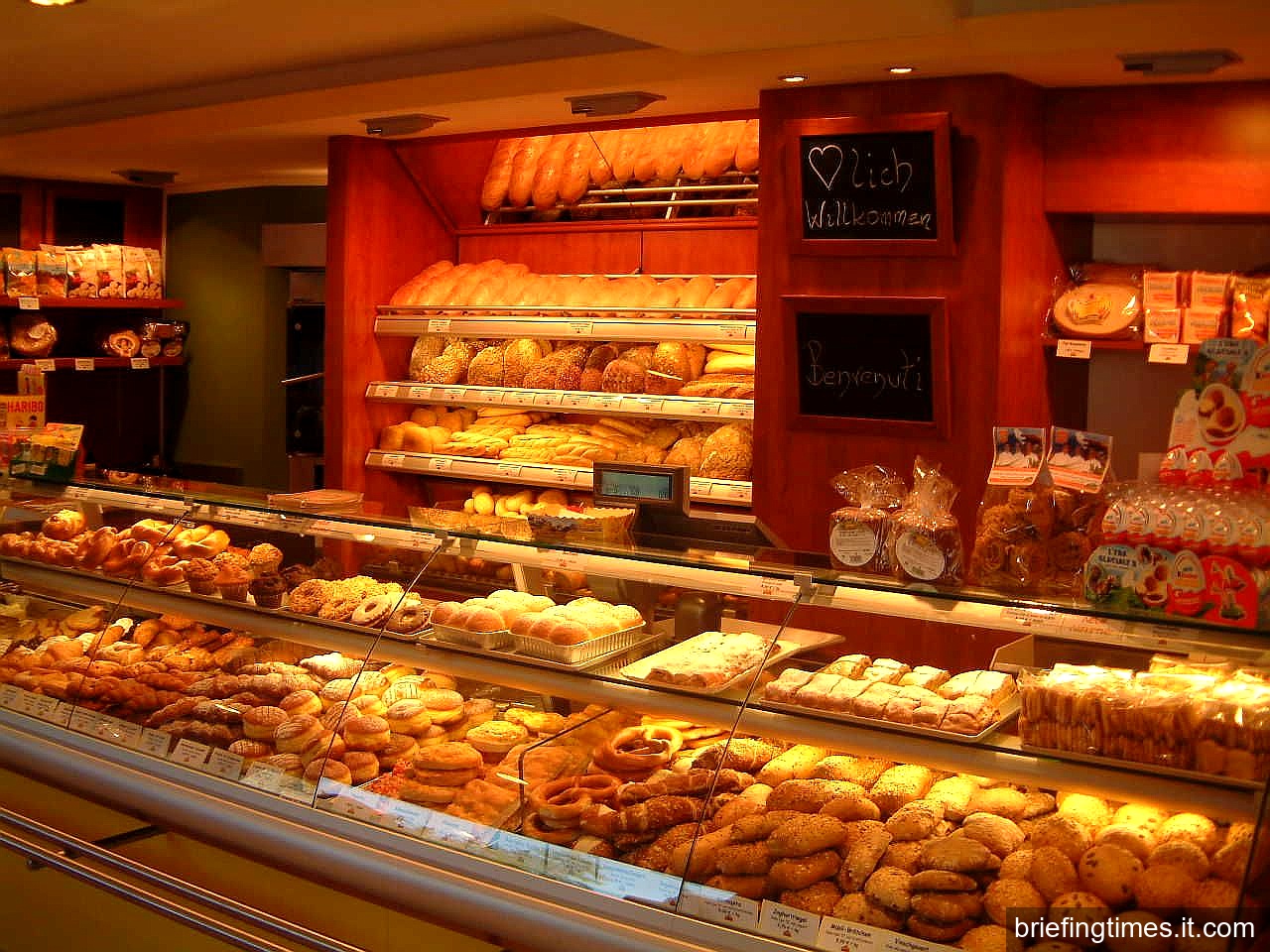
The Undeniable Charm of Authentic German Baking
German baking is widely recognized as one of the world’s most revered culinary traditions, celebrated for its structural precision, centuries-old recipes, and deep respect for pure ingredients. Unlike modern commercial bakeries that rely heavily on artificial speed-enhancers and bleached flours, genuine German establishments treat baking as both a rigorous science and a fine art form. From dense, chewy rye loaves to delicate, honey-dusted pastries, every item produced in a traditional bakehouse tells a story of cultural heritage and craftsmanship. As food enthusiasts across the globe become increasingly conscious of ingredient quality and traditional fermentation methods, the demand for authentic European bakehouses has surged. Finding a bakery that captures this exact blend of crisp crusts, complex sourdough bases, and rich, balanced cream fillings can transform your daily breakfast or weekend coffee ritual into an unforgettable taste excursion.
When searching for the best german bakeries near me, food lovers often seek more than just a quick loaf of bread; they are looking for an immersive sensory journey. The irresistible aroma of freshly baked dark rye, toasted caraway seeds, and warm vanilla sugar creates an immediate feeling of comfort and nostalgia. Across various digital platforms, food enthusiasts frequently share their favorite artisanal spots and menu recommendations, compiling curated German bakery inspiration to highlight hidden culinary gems in neighborhoods everywhere. Whether you are craving a dense slice of whole-grain Vollkornbrot to power your morning routine or a soft, golden pretzel sprinkled with coarse mineral salt, locating an authentic local shop ensures that every bite adheres to the strict purity standards set by master European bakers centuries ago.
The Crust and the Crumb: Traditional German Breads You Must Try
The foundation of any legitimate German bakehouse lies within its selection of hearty, handcrafted breads. Central to this craft is the widespread use of rye flour and natural sourdough cultures, known as Sauerteig. Unlike airy, sweet white breads common in mainstream supermarkets, traditional German loaves boast a thick, crunchy crust and a dense, deeply flavorful crumb that develops over long fermentation hours. Iconic varieties such as Roggenbrot (pure or high-ratio rye bread), Bauernbrot (traditional farmer’s bread combining rye and wheat flours), and heavy, seed-laden Vollkornbrot offer rich notes of malt, mild acidity, and earthiness. These loaves are not merely side dishes; they serve as the nutritious centerpiece of “Abendbrot,” the traditional light evening meal where bread is paired with high-quality cheeses, smoked cold cuts, pickled vegetables, and salted butter.
Another non-negotiable staple found on the shelves of authentic establishments is Laugengebäck, the famous family of lye-dipped baked goods best represented by the iconic Brezel (pretzel). Achieving the distinct deep mahogany color, glossy surface, and unique alkaline flavor requires dipping the shaped dough into a brief food-grade lye bath before baking it at intensely high temperatures. Finding the best german bakeries near me ensures that you receive authentic Brezeln that feature a coarse salt topping, a crisp outer shell, and a soft, pillowy interior that yields satisfyingly with every bite. Beyond standard twist pretzels, skilled bakers use this same lye-dipping process to create Laugenstangen (lye sticks) and Laugenbrötchen (lye rolls), which serve as extraordinary bases for savory sandwiches topped with Black Forest ham, Gruyère, or fresh chives.
Beyond their legendary taste and structural beauty, traditional German whole-grain and rye breads offer exceptional nutritional advantages that set them far apart from overly processed loaves. The inclusion of complex sourdough fermentation breaks down phytic acid and gluten proteins naturally, making these rustic breads far easier on the human digestive system while simultaneously lowering their glycemic index. Grains such as spelt (Dinkel), barley, and intact rye berries are frequently woven into recipes, delivering high concentrations of dietary fiber, essential B vitamins, and key minerals like magnesium and iron. When you purchase a freshly baked loaf from a genuine craftsman, you are investing in a nutrient-dense food item that stays naturally fresh for days without needing chemical preservatives or artificial stabilizers.
Decadent German Pastries and Cakes: From Bienenstich to Schwarzwälder Kirschtorte
While dark, crusty breads represent the daily backbone of German baking, the pastry display cases inside a classic Konditorei reveal an equally extraordinary world of sweet mastery. German pastries strike a masterful balance between decadence and restraint, avoiding hyper-sweet frosting in favor of balanced fruit acidity, rich custards, fragrant spices, and toasted nuts. Perhaps no confection exemplifies this balance better than the world-famous Schwarzwälder Kirschtorte, or Black Forest Cake. Constructed with layers of dark chocolate sponge cake brushed with genuine Kirschwasser (a clear cherry brandy), fresh whipped cream, and tart sour cherries, this masterpiece offers a sophisticated profile that highlights quality ingredients rather than excessive refined sugar. Every bite delivers a harmonious blend of fruitiness, creaminess, and deep cocoa warmth.
Another beloved classic that draws dessert enthusiasts to traditional bakehouses is Bienenstich, translating directly to “Bee Sting Cake.” This delightful creation features a sweet yeast dough topped with a golden, caramelized layer of butter, honey, and sliced almonds. Once baked, the cake is sliced horizontally and generously filled with a velvety vanilla pastry cream or light butter custard, producing an irresistible contrast between crunchy, nutty tops and silky, cool cream fillings. Equally captivating are options like Apfelstrudel (apple strudel), featuring paper-thin layers of hand-pulled pastry wrapped around spiced apples, raisins, and toasted breadcrumbs, as well as Nusszopf, a braided sweet bread swirled with rich hazelnut paste and cinnamon. These pastries demonstrate the incredible versatility of yeast-raised sweet doughs in skilled hands.
Seasonal baking plays a monumental role in German culture, transforming bakery cases throughout the calendar year with time-honored holiday treats. Visiting the best german bakeries near me during November and December guarantees an encounter with authentic Weihnachtsstollen (Christmas Stollen), a dense, butter-rich fruitcake laced with candied citrus peel, rum-soaked raisins, warm aromatic spices, and often a tube of sweet marzipan tucked in the center, finished with a heavy coating of powdered sugar. Similarly, the carnival season brings light, fried delights known as Berliner or Krapfen—yeast-risen dough balls fried to golden perfection, filled with plum butter, raspberry jam, or vanilla cream, and dusted with granulated sugar. Experiencing these seasonal variations allows food lovers to connect directly with centuries of European festive traditions.
Mastering the Bakery Experience: Ordering and Cultural Etiquette
Stepping into an authentic German bakehouse for the first time can feel delightfully overwhelming due to the expansive variety of shapes, grains, and sweet treats on display. To navigate your visit smoothly, understanding how products are traditionally presented and sold is helpful. Breads are often displayed behind the main counter as whole artisanal loaves, which can typically be purchased whole, halved, or even sliced upon request using professional bread slicers designed to handle dense crusts without crushing the soft interior. When visiting the best german bakeries near me, taking a brief moment to scan the labels helps you identify key grain compositions, such as wheat-heavy (Weizenbrot), mixed flour (Mischbrot), or pure rye (Roggenbrot), ensuring you choose the ideal loaf for your personal palate and dietary preferences.
To fully appreciate the items you select, pairing them with traditional beverages creates an elevated culinary routine right at your table. For savory rolls like Franzbrötchen (a cinnamon-sugar laminated pastry originating from Hamburg) or crusty Brötchen topped with butter, nothing complements the dough’s rich buttery layers better than a freshly brewed cup of dark roast coffee or a hot Milchkaffee. On warm afternoons, enjoying a chilled glass of sparkling mineral water alongside a slice of fruit-laden Käsekuchen (German-style cheesecake made with silky Quark cheese rather than dense cream cheese) provides a crisp, refreshing contrast. Taking the time to savor these combinations encourages a slower, more intentional dining pace that mirrors the relaxed afternoon “Kaffee und Kuchen” ritual cherished across Germany.
For customers with specific dietary requirements, modern European bakeries have thoughtfully adapted traditional formulas without sacrificing texture or flavor integrity. Many master bakers now produce ancient grain alternatives using 100% spelt (Dinkelbrot), which provides a nutty taste profile and superior digestibility for individuals with mild sensitivities to modern wheat. Additionally, naturally vegan yeast breads, seeded flatbreads, and dairy-free fruit tarts are frequently highlighted on daily menus. Communicating directly with the counter staff allows you to inquire about specific fermentation times, seed mixes, and sweetener sources, ensuring that every customer finds a wholesome, delicious product tailored to their unique nutritional lifestyle.
How Artisanal German Bakeries Preserve Century-Old Techniques
The defining characteristic that elevates standard baked goods into transcendent culinary art is an uncompromising dedication to traditional methods and long fermentation cycles. Authentic German master bakers rely almost exclusively on slow Sauerteig fermentation, allowing wild yeasts and beneficial lactic acid bacteria to break down complex starches over periods ranging from 12 to 24 hours. This slow process develops complex flavor compounds, subtle acidity, and natural gas pockets that give the bread its signature chewy texture and deep aroma. Commercial shortcuts like added vinegar, artificial dough conditioners, or rapid dry yeast starters are strictly avoided, as true artisans understand that exceptional flavor and shelf life cannot be rushed or simulated through chemical shortcuts.
The educational pathway to becoming a certified Bäckermeister (Master Baker) in Germany is one of the most rigorous vocational journeys in the international culinary landscape. Candidates must complete years of intensive practical apprenticeship, pass comprehensive examinations covering grain chemistry, sourdough microbiology, business operations, and demonstrate flawless manual shaping skills before earning the legal title. This profound level of education ensures that when authentic bakers migrate or open branches globally, they bring along an unwavering commitment to cultural traditions and culinary artistry that translates into every single tray pulled from the oven. This rigorous training guarantees consistent quality, structural perfection, and authentic flavor profiles in every single baked good.
A Buyer’s Guide: Locating and Evaluating Local Artisanal Bakeries
Distinguishing between a commercial bakery that merely uses European-sounding names and a genuine artisanal shop requires a keen eye for specific baking markers. Authentic German bakehouses take immense pride in their visible crust development; their loaves feature deep amber or dark brown hues achieved through precise steam injection and high-heat deck ovens, rather than pale, soft crusts. When you examine the bread selection, look for heavy, dense loaves that feel substantial for their size, displaying visible flour dusting and natural steam vents along the top scoring lines. Furthermore, the presence of traditional specialties like Quark-filled pastries, real lye Brezeln with coarse salt, and seasonal Stollen indicates that the bakers are following authentic, multi-step recipes rather than using pre-packaged industrial mixes.
To locate these culinary treasures in your immediate area, combining online research with local word-of-mouth recommendations yields the best results. Exploring community food forums, reading detailed local reviews, and checking social media pages can reveal neighborhood bakehouses operated by European trained bakers or multi-generational baking families. As you plan your visit, your search for the best german bakeries near me will yield high-quality artisanal options that bring the rich, comforting flavors of Central Europe straight to your neighborhood table. By supporting these dedicated local craftsmen, you not only enjoy vastly superior, nutrient-rich breads and pastries, but you also help preserve time-honored baking traditions that bring people together through the universal love of exceptional food.
